
Is a Car Accident Herniated Disc Ruining Your Recovery?
- Today Disc, Bone & Joint

- Jul 10
- 4 min read
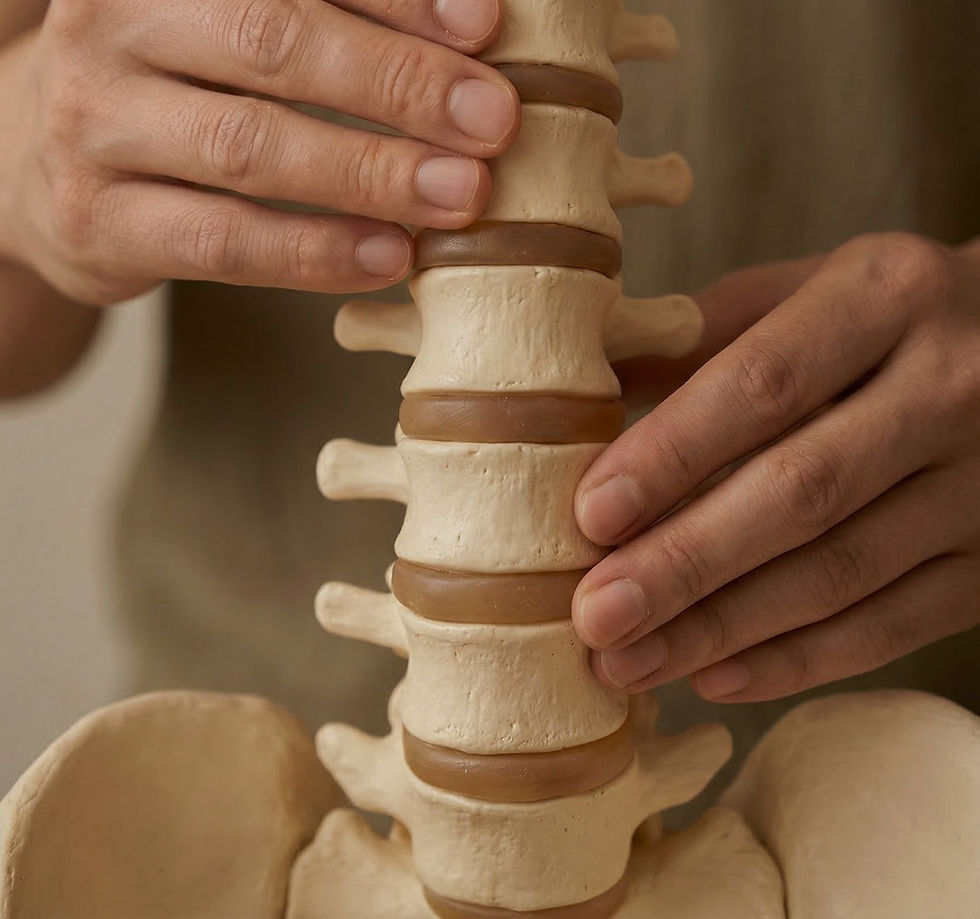
Finding yourself dealing with a herniated disc after an accident is an incredibly tough situation. One minute you're going about your day, and the next, you're sidelined with pain, wondering when—or if—you’ll ever feel like yourself again. It's a scary, overwhelming, and often frustrating journey.
At Today Disc, Bone & Joint, we understand because we've seen hundreds of patients just like you. The good news is, with the right approach and these practical tips, you can take control of your recovery and get back to living.
1. Go Slow, Start Gentle
It's tempting to want to just "power through" or rush the process, but when you're dealing with a herniated disc, especially one caused by sudden trauma, patience is everything. Immediately after your injury, your primary goal is to minimize inflammation. That might mean a few days of reduced activity, but it doesn't mean staying in bed. In fact, prolonged bed rest can actually cause your muscles to stiffen up and weaken, making your recovery take even longer.
Instead, gentle movement can be incredibly beneficial. Think easy short walks, maybe 10-15 minutes at a time on a flat, even surface. The key is to listen to your body. If an activity increases your pain, stop immediately. The journal of the American Chiropractic Association explains how controlled motion can actually help prevent scar tissue and keep your spinal segments mobile. The path to recovery is a marathon, not a sprint, and small, daily steps build the foundation for long-term health.
2. Make Your Spine Your New Best Friend
A herniated disc often means your core muscles aren't providing the stability your spine needs, putting more pressure on the affected area. When your spinal alignment is compromised by an accident, the surrounding muscles often go into spasm to try and protect the area, which ironically causes more discomfort. This is why working with a professional is so critical. They can design a custom rehabilitation program focusing on strengthening the muscles around your spine—your abs, obliques, and lower back—without twisting or overloading the healing disc.
But it's not just about the gym. Pay attention to how you move throughout your daily routine. Are you sitting with good posture at your desk? Do you bend at the knees and use your legs when you lift things, rather than rounding your back? Even the way you get out of bed matters. Try using the "log roll" technique—turning your whole body as one unit to the side before pushing yourself up with your arms. Making small, consistent changes in your posture and ergonomics can make a massive difference in reducing strain on your disc.
3. Use the Power of Ice and Heat
Think of this as your first line of defense against inflammation and pain. In the first few days after your injury, or right after any unexpected flare-up, focus entirely on icing. It can help numb the area, constrict blood vessels, and reduce the deep swelling around the nerve roots. Apply an ice pack wrapped in a thin cloth for about 15-20 minutes, several times a day. Never apply ice directly to the skin to avoid tissue irritation.
Once the initial, intense inflammation calms down—usually after 48 to 72 hours—heat can become your best friend for tight, stiff muscles. A heating pad on a low setting or a warm bath can work wonders by increasing blood flow to the area, which brings healing nutrients to the damaged tissues. Many patients find that alternating between ice and heat helps manage symptoms throughout the day, using ice after activity and heat in the morning to loosen up.
4. The Value of Professional Guidance
We can't overstate this: your single best move is to consult with a team specializing in spinal injury recovery. A herniated disc isn't something to "wait out" or hope fixes itself. Getting an accurate assessment from a chiropractor who understands the unique mechanics of accident-related injuries gives you a clear roadmap.
Every accident is different, and every spine reacts uniquely to trauma. We can create a personalized treatment plan that may include gentle spinal adjustments to restore proper alignment, soft tissue therapy to calm angry muscles, and safe, specific exercises designed to promote healing and restore your normal range of motion. Early intervention is key to preventing long-term problems and chronic pain down the road.
5. Listen to Your Body Above All Else
This is perhaps the most important tip of all. Your body is incredibly smart. If you're doing an exercise or a daily chore and it hurts, that's not a "good pain," it's a "stop" signal. Pay close attention to when your pain is better or worse. Is it worse after sitting? Better when standing? Share this information with your healthcare provider so they can tweak your recovery plan.
Your journey to recovery won't be a straight line. There will be good days where you feel great, and some not-so-good days where you feel a bit stiff. The goal isn't immediate perfection, it's consistent, long-term progress. Be patient with yourself. Give your body the time, the space, and the professional support it needs to heal properly. You've got this.


Comments